The Role of Automation and Robotics in Workplace Transformation
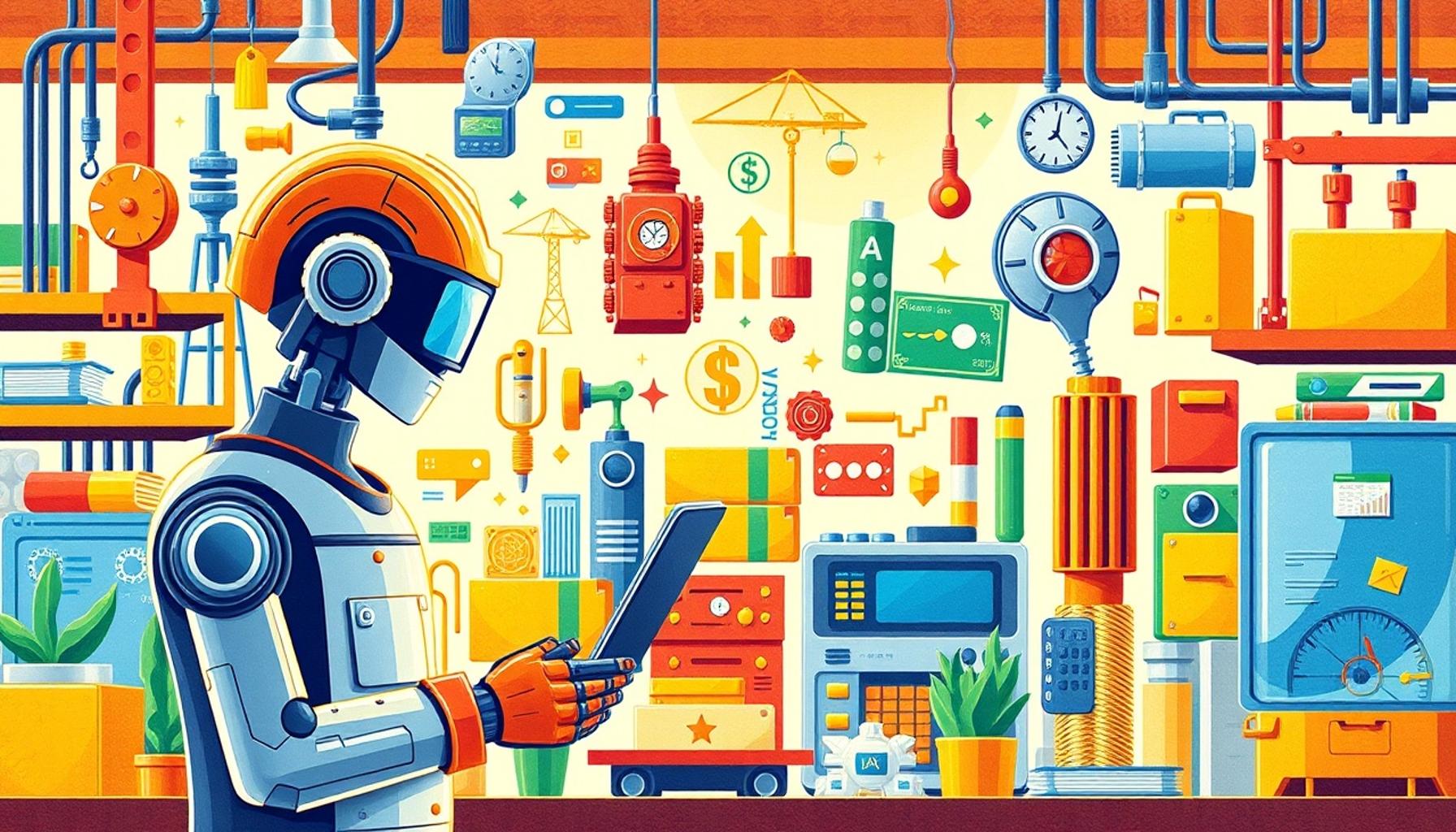
Understanding the Impact of Automation and Robotics
In recent years, the introduction of automation and robotics has dramatically changed how businesses operate. These innovations are not merely trends; they represent a profound shift in workplace dynamics and efficiency. With the integration of technology into various operational processes, companies can achieve remarkable transformations in how they function.
Key benefits of automation and robotics include:
- Increased Productivity: Robots can perform repetitive tasks faster and with greater accuracy than humans. For instance, in an assembly line, a robotic arm can consistently assemble car parts within seconds, completing hundreds of units in the time it would take a human worker to finish just a few. This increase in speed not only boosts output but also allows human employees to focus on more complex and creative tasks.
- Cost Efficiency: Automation reduces labor costs and minimizes human error, leading to significant savings. When companies employ robots for routine tasks, they can significantly decrease the costs associated with hiring, training, and managing a large workforce. This is critically important in industries where profit margins are slim, such as retail and manufacturing, as companies can reinvest those savings into more innovative sectors or services.
- Enhanced Safety: Robots can handle dangerous tasks, protecting human workers from potential hazards. For example, in the construction industry, drones can be deployed to inspect hazardous sites or monitor equipment, ensuring the safety of workers who would otherwise be exposed to risky environments. This not only enhances worker safety but also helps businesses avoid costly accidents and potential legal repercussions.
Companies across the United States are embracing these technologies to stay competitive. Sectors such as manufacturing, logistics, and even healthcare are increasingly relying on robotic assistance to enhance operational efficiency.
For example, automotive factories utilize robotic arms for assembly lines, streamlining complex processes that require precision and speed. Similarly, logistics firms deploy automated guided vehicles (AGVs) to transport materials within warehouses, significantly reducing the labor required for these tasks. This shift fundamentally alters job roles and workplace structures, as workers may need to transition from manual labor to roles focused on overseeing or maintaining automated systems.
Understanding the implications of these technologies is crucial for workers and managers alike. As automation reshapes the workforce, it is essential to examine how these advancements can create opportunities rather than challenges. Training programs designed to help employees adapt to new technologies can empower workers, ensuring they remain valuable members of the workforce.
In conclusion, while the rise of automation and robotics may initially seem threatening to job security, it harbors the potential to foster innovation and create new job opportunities in different fields. By embracing these changes and remaining adaptable, workers and businesses can thrive in an increasingly automated economy.
LEARN MORE: Click here to dive deeper
Transforming Traditional Roles through Technology
The advent of automation and robotics has not only led to efficiencies in production but has also prompted a significant transformation in traditional job roles within various industries. As machines and software systems take over monotonous and physically demanding tasks, the human workforce must adapt to a rapidly evolving environment. This transformation often leads to a shift in workforce dynamics, necessitating a reevaluation of job responsibilities across the board.
Emerging Roles and Skill Sets
As automation technologies are integrated into workplaces, organizations are seeing the emergence of new roles that require specialized skills. The following list highlights some key areas where new job openings are likely to arise:
- Robotics Technicians: These professionals are responsible for maintaining and repairing robotic systems, ensuring optimal performance and safety. With the increased deployment of robots, companies need skilled technicians who can troubleshoot issues and make updates to software or hardware.
- Data Analysts: With automation systems generating vast amounts of data, there is a growing demand for data analysts who can interpret this information and provide actionable insights. Businesses rely on data to make informed decisions, optimize operations, and enhance customer experiences.
- Automation Engineers: Automation engineers design and implement automated systems, working closely with other engineers and technologists. Their expertise is crucial in ensuring that automated processes align with business goals and adhere to industry standards.
- Human-Robot Interaction Specialists: As human roles evolve, specialists in human-robot interaction focus on improving collaboration between humans and machines. They assess workflows to maximize efficiency while ensuring that employee interactions with technology are safe and productive.
This shift towards automation does not mean that human workers will become obsolete; rather, it underscores the necessity for workers to acquire more complex skill sets. In fact, research indicates that 85 million jobs may be displaced by the shift towards automation, but 97 million new roles could emerge, fueled by the demand for advanced skills. This balance presents an opportunity for employment growth in sectors that didn’t previously exist.
Moreover, as organizations harness automation to streamline operations, employees must engage in continuous learning and development. Upskilling initiatives, such as community college programs and online courses, are becoming increasingly vital for workers wishing to remain competitive in the job market. For example, many companies partner with educational institutions to create tailored training programs that help employees build proficiency in technology and automation practices.
Ultimately, embracing automation and robotics paves the way for workers to engage in more intellectually stimulating roles that require creativity, critical thinking, and problem-solving. As businesses become more reliant on technology, they also foster an environment where human input is indispensable—driving innovation and enhancing the overall workplace experience.
DISCOVER MORE: Click here to delve into the future of 3D printing</
Enhancing Workplace Efficiency and Safety
Another significant impact of automation and robotics in the workplace is the enhancement of overall efficiency and safety. By automating routine tasks and employing robots in hazardous environments, businesses can increase productivity while simultaneously reducing risks associated with human labor. This dual advantage allows organizations to allocate resources more effectively and focus on strategic initiatives that drive growth.
Increased Productivity
Automation technologies, such as robotic process automation (RPA) and machine learning, enable businesses to streamline operations and increase output. For instance, in manufacturing industries, robots can perform repetitive tasks—like assembly line work—much faster and with greater precision than human workers. According to a report by the McKinsey Global Institute, implementing automation could boost productivity rates in advanced economies by as much as 1.4% annually. This increased productivity means that companies can meet growing customer demands and respond quickly to market changes.
Moreover, in administrative and back-office functions, RPA tools automate data entry, invoicing, and reconciliations, freeing up valuable time for employees to focus on strategic initiatives. For example, a financial services firm may deploy RPA to handle automatic transaction processing, enabling their staff to concentrate on client relations and complex problem-solving activities. This shift not only enhances operational efficiency but also improves employee job satisfaction by reducing time spent on tedious tasks.
Improved Safety Standards
The introduction of robotics in workplaces also plays a crucial role in improving safety standards, especially in industries with high-risk environments such as construction, mining, and manufacturing. Robots can be deployed in dangerous scenarios—like working with hazardous materials, performing high-altitude tasks, or operating heavy machinery—minimizing the exposure of human workers to potentially dangerous situations. For example, using drones for inspections in construction projects can identify structural issues without putting personnel at risk.
Furthermore, advanced robotics equipped with sensors and AI capabilities can work alongside humans to create safer environments. Collaborative robots, or cobots, are designed to assist human workers rather than replace them, providing valuable support in tasks that require heavy lifting or precision. This partnership not only enhances safety but also encourages a culture of teamwork and collaboration in the workplace.
Encouraging Innovation
The transformation brought about by automation encourages a culture of innovation within organizations. By automating routine tasks, employees are largely freed up to engage in creative processes, experimentation, and problem-solving. A notable example can be seen in the tech industry, where companies leverage automation tools to allow their engineers to spend more time developing innovative products rather than getting bogged down by repetitive maintenance tasks.
Companies that actively embrace automation often drive innovation by creating a tech-forward workplace that attracts and retains top talent. Younger generations of workers, who are typically more tech-savvy, are drawn to organizations using the latest technologies to reshape their work environment. As such, businesses that prioritize automation and robotics may gain a competitive edge in both talent acquisition and market positioning.
Through the collective enhancement of productivity, safety, and innovation, automation and robotics represent a pivotal force in the transformation of the modern workplace. Companies that successfully integrate these technologies into their operations stand to reap significant rewards—not just in efficiency, but also in cultivating an adaptable and forward-thinking workforce.
DISCOVER MORE: Click here to learn about the power of social networks in social movements
Conclusion
In conclusion, the integration of automation and robotics is not just a trend but a transformative shift that is reshaping workplaces around the globe. By focusing on efficiency, safety, and innovation, businesses are experiencing profound benefits that extend beyond mere cost-cutting. The capabilities of robotic process automation and advanced robotics empower organizations to streamline their operations, enhance safety standards, and foster a culture of creativity.
As companies adopt these technologies, they witness significant productivity gains, allowing them to respond promptly to market demands while freeing employees from mundane and repetitive tasks. This shift not only enhances job satisfaction but positions workers to engage in valuable, strategic initiatives, driving organizational growth.
Furthermore, the prioritization of workplace safety through robotics, particularly in high-risk environments, ensures that businesses can protect their workforce and mitigate risks. The collaborative nature of advanced robotics facilitates teamwork, enabling human workers and robots to thrive together in a more harmonious work environment.
Ultimately, embracing automation and robotics paves the way for organizations to attract and retain top talent, as younger generations seek out workplaces that are innovative and technologically forward-thinking. As we advance further into a digital age, companies that harness the power of automation and robotics will not only enhance their operational capabilities but also emerge as leaders in their industries, positioned for future success.

Linda Carter
Linda Carter is a writer and expert known for producing clear, engaging, and easy-to-understand content. With solid experience guiding people in achieving their goals, she shares valuable insights and practical guidance. Her mission is to support readers in making informed choices and achieving significant progress.