The role of artificial intelligence in the reconfiguration of interpersonal relationships
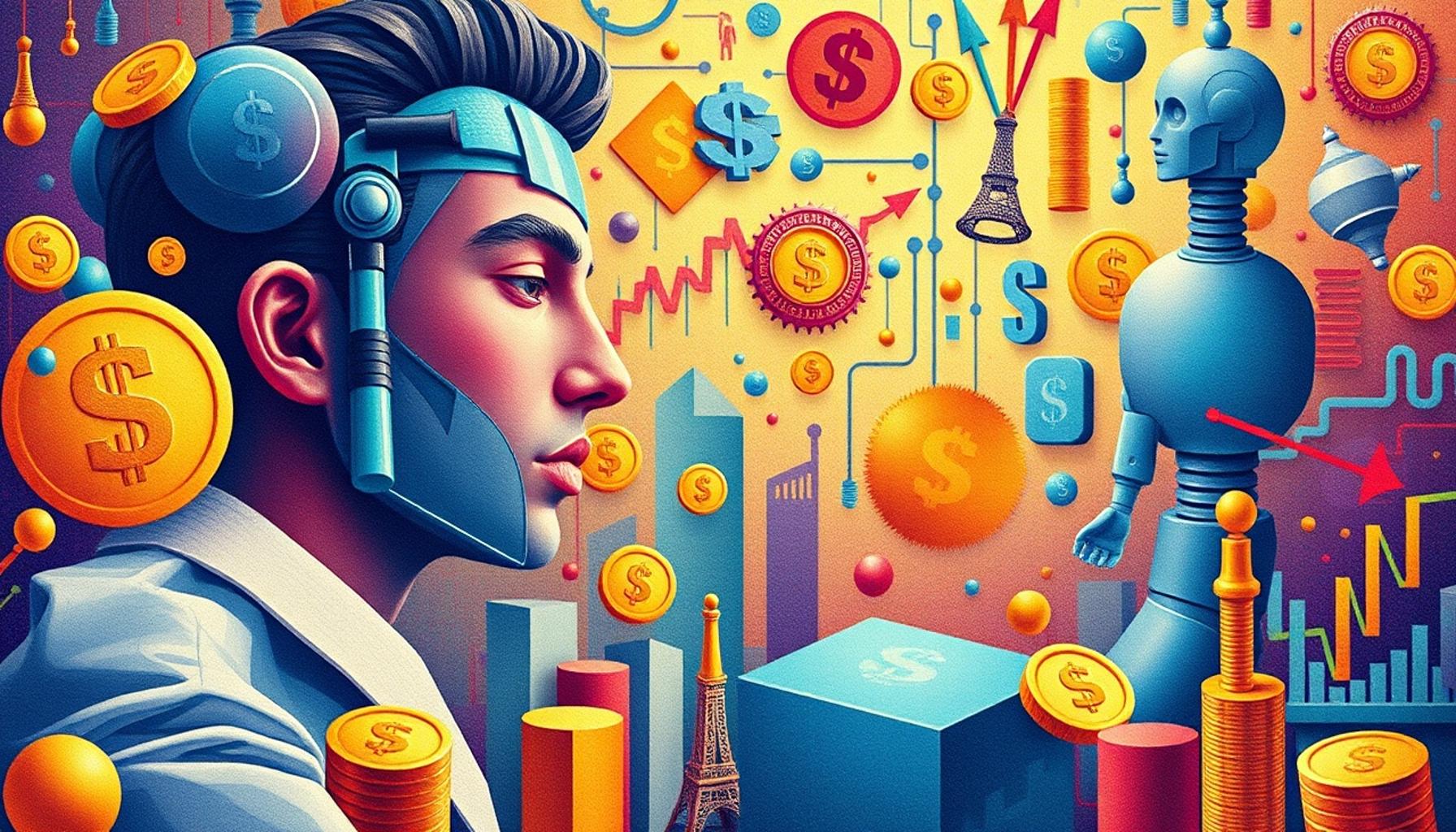
The Influence of AI on Interpersonal Relationships
Artificial intelligence (AI) has become omnipresent in our lives, molding the way we engage with one another in profound and complex ways. Its rapid development has sparked a paradigm shift in interpersonal relationships, raising significant opportunities but also presenting unforeseen challenges.
One of the most notable areas where AI has made its mark is within social media. Algorithms play a pivotal role in curating our online experiences by determining the content we are exposed to. For instance, platforms like Facebook and Instagram utilize AI to analyze user behavior and preferences, promoting posts that align with those preferences. While this can enhance social interactions by connecting users with content they find enjoyable or relatable, it can also create “echo chambers,” where individuals are predominantly exposed to the same viewpoints, potentially limiting broader social engagement and understanding.
Moreover, virtual assistants such as Siri, Alexa, and Google Assistant have found their way into many households. These technologies not only serve practical purposes—like setting reminders or playing music—but they can also foster a sense of companionship. For example, a person living alone might find comfort in having daily interactions with their virtual assistant, which could alleviate feelings of loneliness. However, this reliance on AI for social engagement raises concerns about the quality of these interactions. Are they substituting genuine human connections with mechanical responses?
In the realm of online dating, AI-driven platforms like Tinder and OkCupid are revolutionizing the way people find potential partners. These services utilize algorithms to analyze user preferences and behavior to suggest matches tailored to each individual’s interests and desires. This targeted approach not only streamlines the dating process but also encourages connections that may not have been possible through traditional methods. Nonetheless, questions arise regarding the authenticity of such matches. Are we truly finding love, or are we merely settling for the best algorithmic suggestion?
While AI can undeniably enhance convenience and efficiency in our social interactions, it raises critical questions about the essence of human connection. As we become increasingly reliant on AI in our daily lives, we must contemplate whether these tools are enriching our relationships or detracting from the genuine emotional understanding that characterizes meaningful human interactions. Striking the right balance between utilizing technological advancements and preserving the core of human connection will be essential as we navigate this evolving landscape.
This discussion will delve deeper into the nuanced ways AI influences our social bonds, shedding light on both the potential benefits and the challenges that accompany this technological wave in modern society.
DISCOVER MORE: Click here to learn about the future of medicine
AI’s Impact on Communication Patterns
As artificial intelligence continues to permeate various aspects of our lives, it profoundly affects how we communicate. Communication is fundamentally the bedrock of interpersonal relationships, and AI is reshaping it in both positive and challenging ways. Particularly within the realm of digital communication, the advent of AI-powered tools is crafting new avenues for connection while also redefining traditional methods.
One of the most discernible changes is the rise of chatbots and AI-enhanced messaging applications. Many customer service platforms now deploy chatbots to assist users in real-time without the need for human intervention. This technology not only improves efficiency but has also begun to set expectations for speed and availability in personal interactions. People now anticipate prompt responses to messages and often prefer texting over calling, reflecting a shift towards asynchronous communication that feels more manageable for many. As a result, the immediacy and ease of digital communication can lead to a sense of connection, but it may also reduce the depth of conversations that require more emotional engagement.
Moreover, AI’s ability to analyze and process vast amounts of information enables it to identify patterns in communication—whether through sentiment analysis or natural language processing. For example, platforms like Google Hangouts and Microsoft Teams use AI to offer real-time language translation during video calls, allowing individuals from different linguistic backgrounds to engage seamlessly. This enhancement broadens our social circles and positively impacts global communication; however, it also invites questions about the nuances and subtleties that could be lost in translation, potentially impacting the quality of understanding between individuals.
As we integrate AI into our daily communication, it is essential to reflect on the implications of these advancements. Here are a few areas where AI’s reconfiguration of communication is evident:
- Persuasion Techniques: AI algorithms in social media can tailor messages to resonate with users, potentially manipulating communication dynamics and influencing opinions.
- Data Privacy: With AI tools mining data from our interactions, the concerns around privacy are growing. Users must be cautious about sharing personal information in environments where AI analyzes behavior and preferences.
- Emotional Intelligence: Some AI systems are designed to detect emotions through text and voice analysis, aiming to respond more empathetically. However, the challenge remains—can machines truly replicate human emotional intelligence?
In summary, as AI tools transform how we communicate, it is crucial to consider both the opportunities they present and the potential drawbacks. Enhanced communication, while more efficient, may lead to superficial interactions that lack depth. Maintaining genuine connections in this digital age calls for a critical examination of how we leverage AI in our everyday lives, ensuring that we prioritize the essence of human connection amidst the ongoing reconfiguration.
DISCOVER MORE: Click here to dive into the future of e-commerce
The Influence of AI on Emotional Connections
While AI has significantly transformed our communication patterns, its influence extends into the realm of emotional connections as well. Strong interpersonal relationships often rely on mutual understanding and shared experiences, which are inherently emotional in nature. As AI integrates further into our lives, it offers both logistic benefits and emotional challenges that users must navigate.
An exciting manifestation of AI’s potential in fostering emotional connections is the emergence of AI therapy chatbots. Digital platforms such as Woebot and Wysa provide users with accessible mental health support through conversational AI. These chatbots utilize evidence-based therapeutic methodologies, such as cognitive behavioral therapy, to engage users in dialogues around their emotions and mental well-being. For many, these AI companions offer a non-judgmental space to express feelings and receive support, thus democratizing access to mental health resources. However, this raises a key question: can AI truly replace human empathy and offer the same depth of understanding that a trained therapist can provide?
Furthermore, AI is revolutionizing the way we form and maintain romantic relationships. Dating apps powered by AI algorithms, such as Hinge and Tinder, analyze user preferences and behaviors to suggest potential matches more closely aligned with individual users. This personalization increases the likelihood of connecting with compatible partners. Nonetheless, relying on AI algorithms can lead to a paradox; users may find themselves focusing more on the metrics of compatibility rather than fostering an emotional attachment, which is crucial for lasting relationships.
In addition to forming new bonds, AI plays a role in maintaining established relationships. For instance, applications like Google Calendar and Todoist can analyze shared schedules among friends or family members, promoting better planning of get-togethers or events that nurture relationships. AI can also remind us of important dates such as anniversaries or significant milestones, encouraging people to pay attention to their relationships. However, as we delegate these personal reminders to technology, we must reflect on whether this reliance dilutes the sincerity of our interactions—are we genuinely remembering or simply following an automated prompt?
The methods through which we express affection are also transformed by AI features designed for social media. Platforms like Instagram utilize AI to curate content that reflects users’ interests, allowing friends and followers to experience life events through shared visuals and posts. While this fosters a sense of involvement, it can also lead to scenarios where people craft meticulously curated online personas. This selective sharing may foster a perception of closeness but can simultaneously mask deeper issues within relationships, such as feelings of inadequacy or isolation due to constant comparisons with filtered realities.
As we navigate the complexities of our emotional connections in a digitally dominated space, it is vital to acknowledge the dual role that AI plays: as an enabler of convenience and a potential barrier to genuine emotional engagement. The challenge lies in finding a balance that allows us to enjoy the benefits of AI without sacrificing the fundamental human elements that define our most meaningful relationships.
DON’T MISS OUT: Click here to discover how to get free electronics in 2026
Conclusion
As we’ve explored throughout this article, the impact of artificial intelligence on interpersonal relationships is profound and multifaceted. AI acts as both a facilitator and a potential hindrance in how we connect with one another. With its ability to provide emotional support through platforms like AI therapy chatbots, it democratizes access to mental health resources. However, we must ask ourselves whether this support can ever truly replicate the genuine empathy offered by human interaction.
In the realm of romantic relationships, AI’s role in enhancing compatibility through dating apps shows promise, yet it presents a paradox. As we lean on algorithms to find our matches, we risk prioritizing data-driven metrics over the essential emotional bonds that form the foundation of lasting relationships. Furthermore, AI’s influence on our daily interactions—whether through scheduling tools or social media—highlights a reliance that might compromise the sincerity of our connections.
The key takeaway from our examination is the critical need for balance. To fully appreciate the advantages that AI has to offer, we must remain vigilant about preserving the fundamental aspects of our humanity. Engaging with others authentically, nurturing emotional ties, and practicing empathy are irreplaceable elements of our interpersonal relationships. As we continue integrating AI into our lives, let us ensure it enhances, rather than replaces, the meaningful connections that define our shared experiences. Ultimately, the future of our relationships hinges on our ability to harness AI as a tool for connection while maintaining the irreplaceable human touch.

Linda Carter
Linda Carter is a writer and expert known for producing clear, engaging, and easy-to-understand content. With solid experience guiding people in achieving their goals, she shares valuable insights and practical guidance. Her mission is to support readers in making informed choices and achieving significant progress.